

Shop with conscience
Posted by tim, May 22, 2013
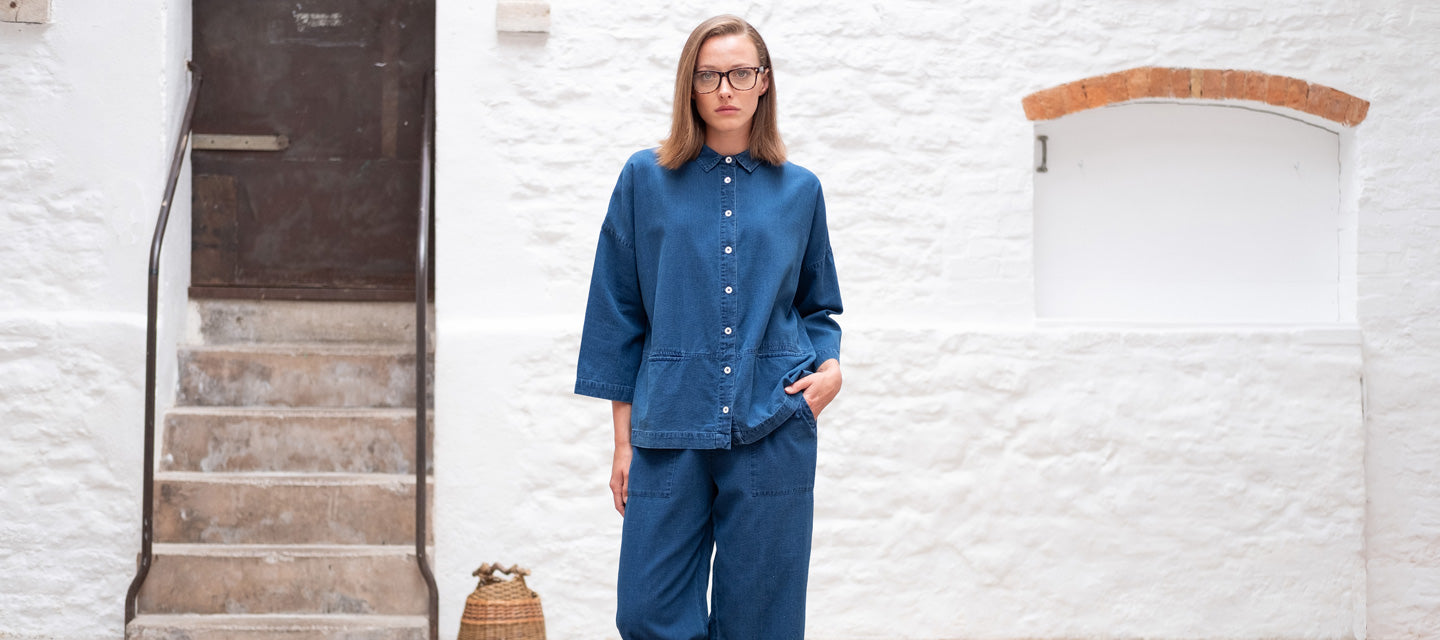
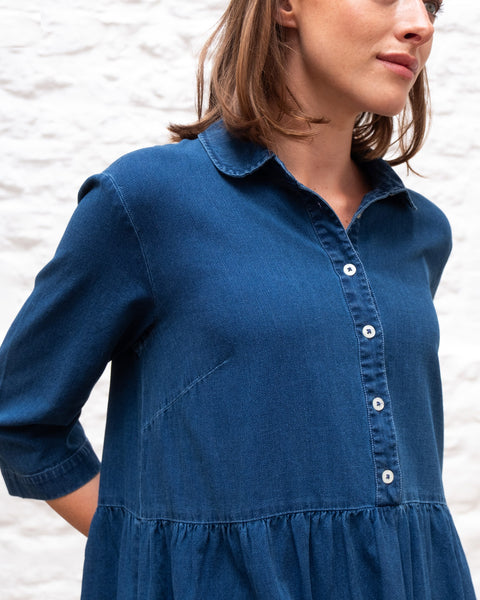
Our Broderie Shirt was featured in last weekends Observer Magazine in the article written by Lauren Laverne. The article discusses issues surrounding the lack of transparency in the supply chains of the major fashion brands on the high st.
For me it raises an interesting point, as earlier in 2013 after the horse meat scandal the sales of beef and frozen beef burgers in particular dropped by over 40%. However, while I don’t have any figures on this, I doubt that even though more than 1,120 people died in Rana Plaza, sales of the brands who produced in that factory have dropped at all.
Who’s Responsibility Is It?
The argument of where the responsibility lies with what happened in Rana Plaza is complex. Should the Bangladeshi government have done or be doing more? Should the brands who produce in these factories be doing more? And lastly should consumers on the British high st. do more?
I would personally say yes to all of the above. From our perspective we made our decision to produce our garments in fair trade certified co-operative, so we personally could be sure that the people making our clothes worked in good conditions and were paid a fair liveable wage. I am not only advocating fair trade production, whether it is clothes made in the UK, Europe or Asia, brands and retailers must take real responsibility for ensuring the factories they work with are safe and the people who work there are treated well and paid a fair wage.
As there is currently no global treaty or overruling body all retailers and manufacturers have to abide by (and it does not look like there will be for a while), the only option is for all parties, governments, factories, brands, retailers and consumers to take responsibility. Whether it’s buying vintage, British made or fair trade clothing, be it for a consumer, or a retailer – committing to work with an independent labour organisation like The Fair Wear Foundation it is about everyone taking personal responsibility.
Just like so many people demanded better quality meat or switched to an alternative in the wake of the horse meat scandal, should we not be demanding to know where our really come from and how are they made?
To read Lauren Laverne’s full article click here……..


